Modular Logistics Facility for Scalable Warehousing
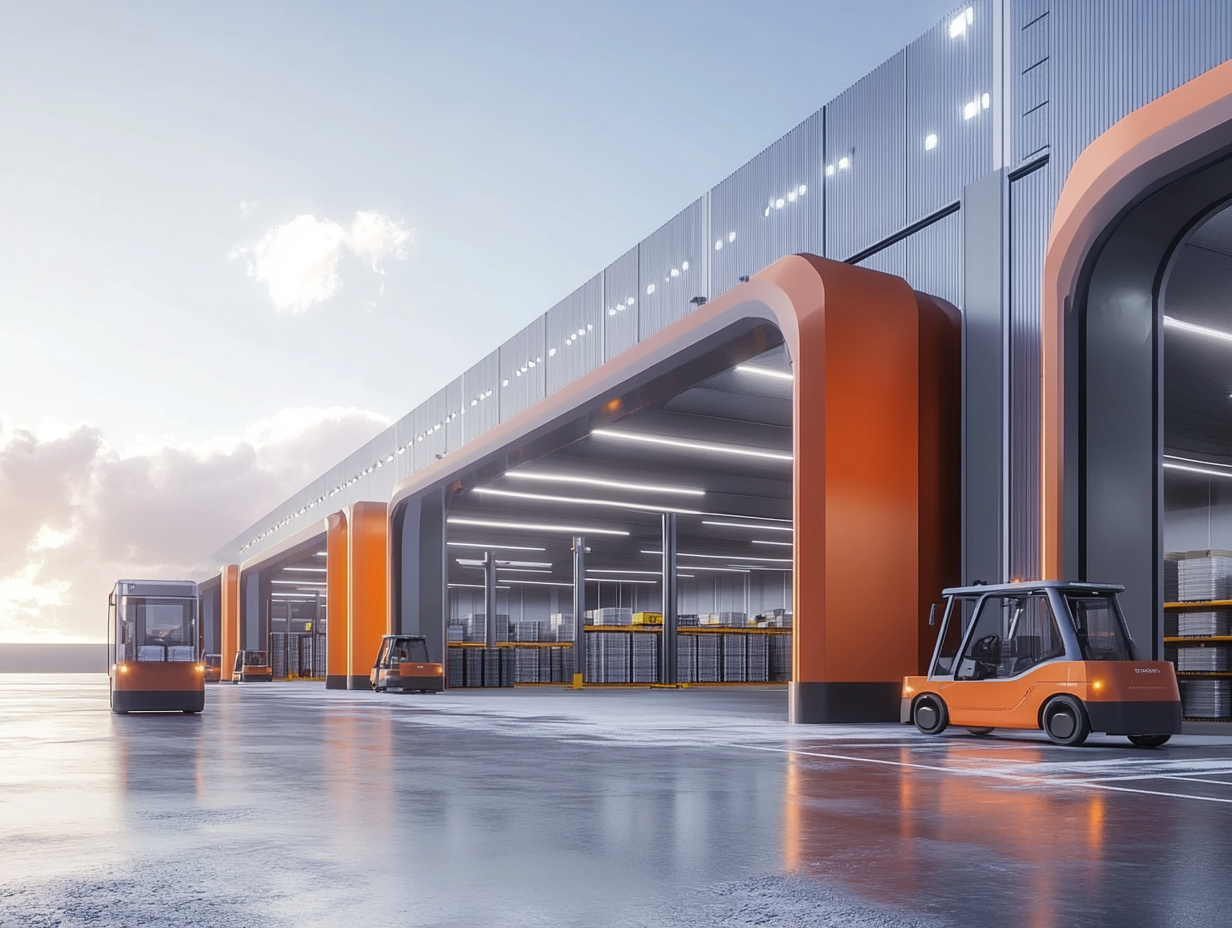
We set out to redefine warehousing by creating a modular, adaptable logistics facility that balances cost, speed, and future-proof scalability. Using AI-driven research and industry insights, we explored how to design a system that grows with business needs, supports automation, and maximizes operational efficiency without the risks and overhead of traditional construction. FlexNest is intended to offer logistics operators a flexible, sustainable, and smart solution for modern warehousing challenges.
The Challenge
How might we design a cost-effective, scalable logistics facility that adapts to fluctuating storage needs, enables quick deployment, and supports future automation?
The Insight
Growing logistics companies need more than static warehousing—they need flexible, rapidly deployable infrastructure that scales with demand. Traditional warehouse builds are expensive, slow, and often oversized or underutilized.
The Problem
Permanent warehouse construction is costly, time-intensive, and lacks agility for companies facing changing inventory cycles, regional expansions, or seasonal surges. Short-term leasing options don’t allow for long-term investment or smart tech integration.
Concept Development
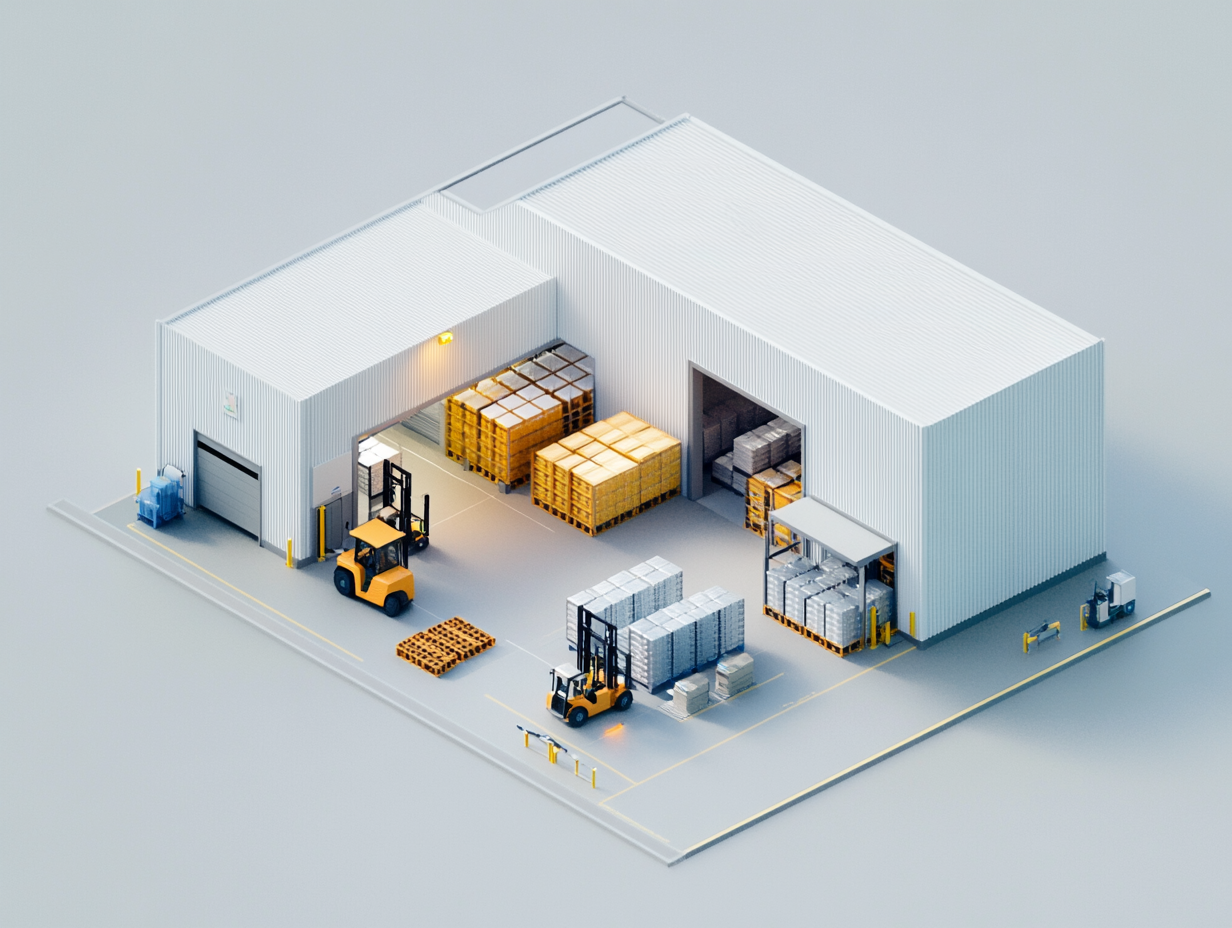
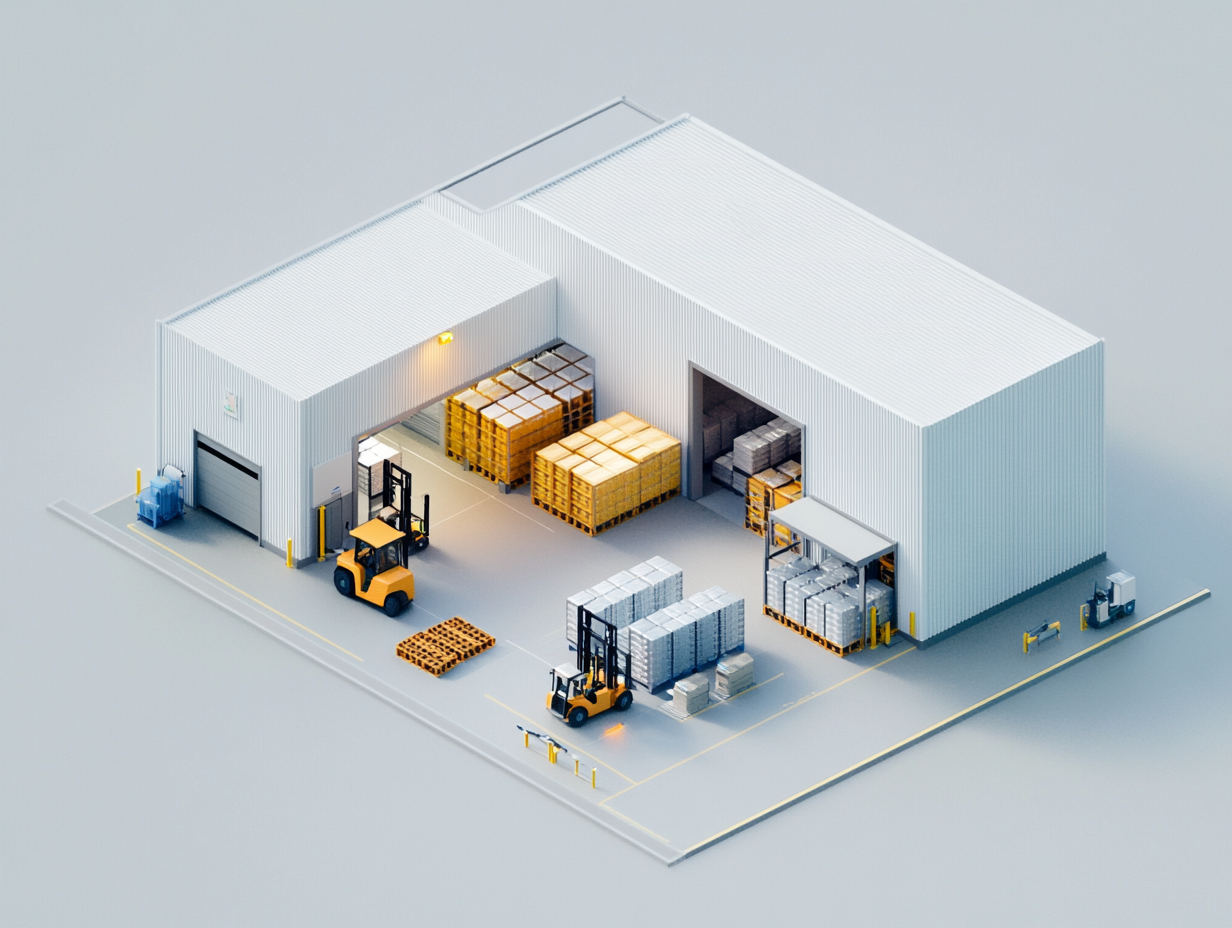
Our design sprint focused on rapid prototyping, modular configuration testing, and AI-assisted workflow simulation. We explored interchangeable unit sizes, stackable layouts, and integrated utility conduits to support power, data, and robotics. Multiple material options were evaluated for sustainability, durability, and cost efficiency. We developed layout simulations to optimize forklift flow, inventory access, and automated process integration. Each module was assessed for ease of transport, assembly speed, and long-term adaptability, ensuring a system that can scale from small regional hubs to large urban edge fulfillment centers while accommodating future technological upgrades.


Solution & Outcome
FlexNest is a modular, prefabricated logistics facility system designed for quick assembly, low cost per square foot, and future automation integration. Each unit is made from sustainable structural components and can be expanded or reconfigured like building blocks. The base modules include built-in conduits for power, data, and robotic pathing. A smart layout system enables forklift-friendly design, with optional sensor kits for inventory management and air quality. Ideal for urban edge fulfillment or regional hubs, FlexNest provides long-term adaptability without long-term risk.