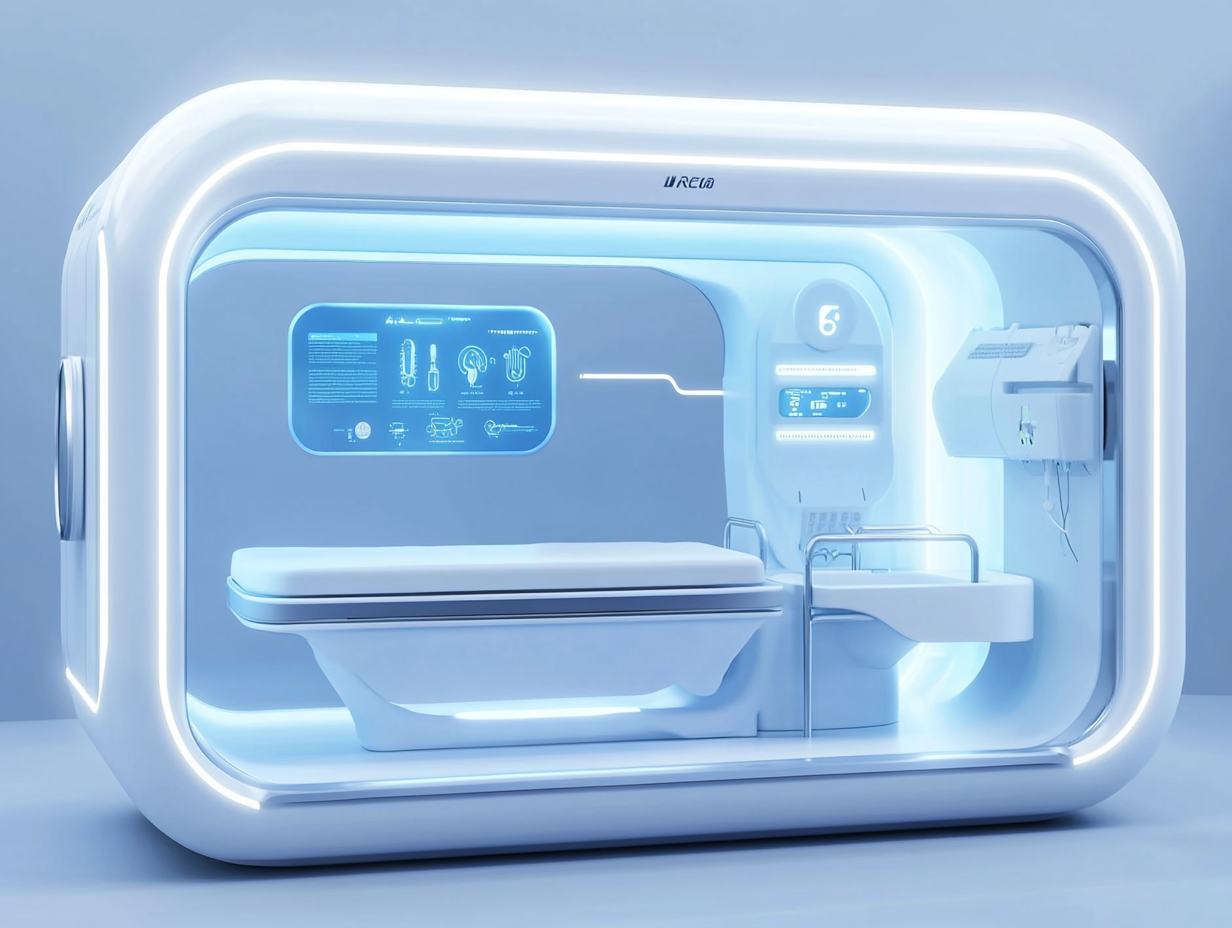
Reimagining Medical Safety: A Smart, Touch-less Sterile Barrier System
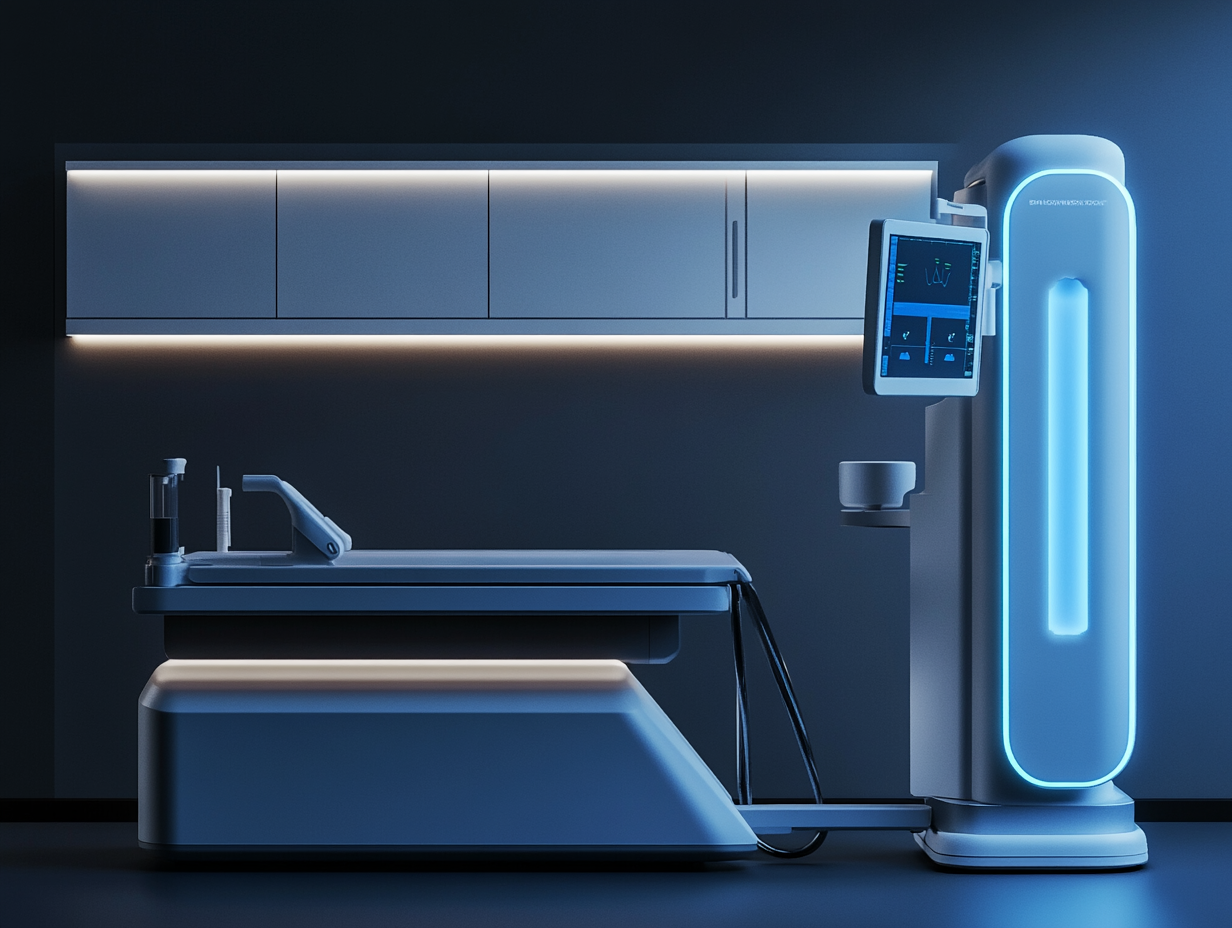
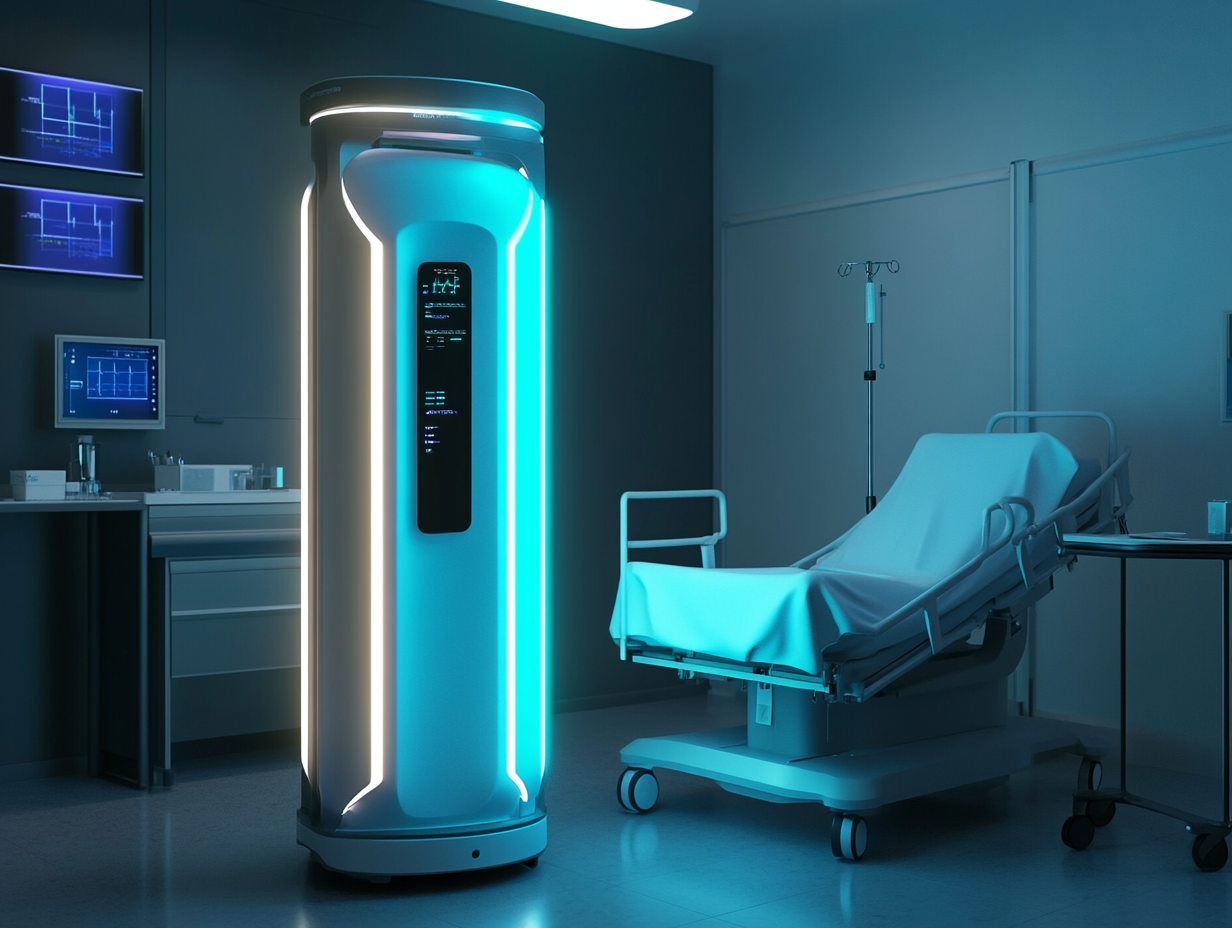
We set out to rethink infection control in clinical environments by designing a touchless, automated barrier system that improves patient safety without adding complexity to healthcare workflows. Using AI-assisted research and firsthand clinician insights, we explored how to modernize sterile practices through automation, real-time monitoring, and intuitive interaction. This project focuses on elevating routine examinations, like using a stethoscope, into safer, more consistent, and more reliable moments of care.
The Challenge
How might we design a breakthrough medical device that dramatically reduces the risk of infection and cross-contamination during routine patient exams, without disrupting workflow or comfort?
The Insight
Healthcare professionals are overwhelmed by time constraints and infection control protocols. Despite advancements in medicine, many tools like stethoscopes, thermometers, and diagnostic equipment still rely on manual sanitation, increasing the risk of human error and microbial transmission
The Problem
Current sterilization solutions are either underused, ineffective, or time-consuming. Manual cleaning is inconsistent, and disposable barriers are often cumbersome or overlooked. This leads to preventable hospital-acquired infections (HAIs), extra healthcare costs, and reduced patient trust.
Concept Development
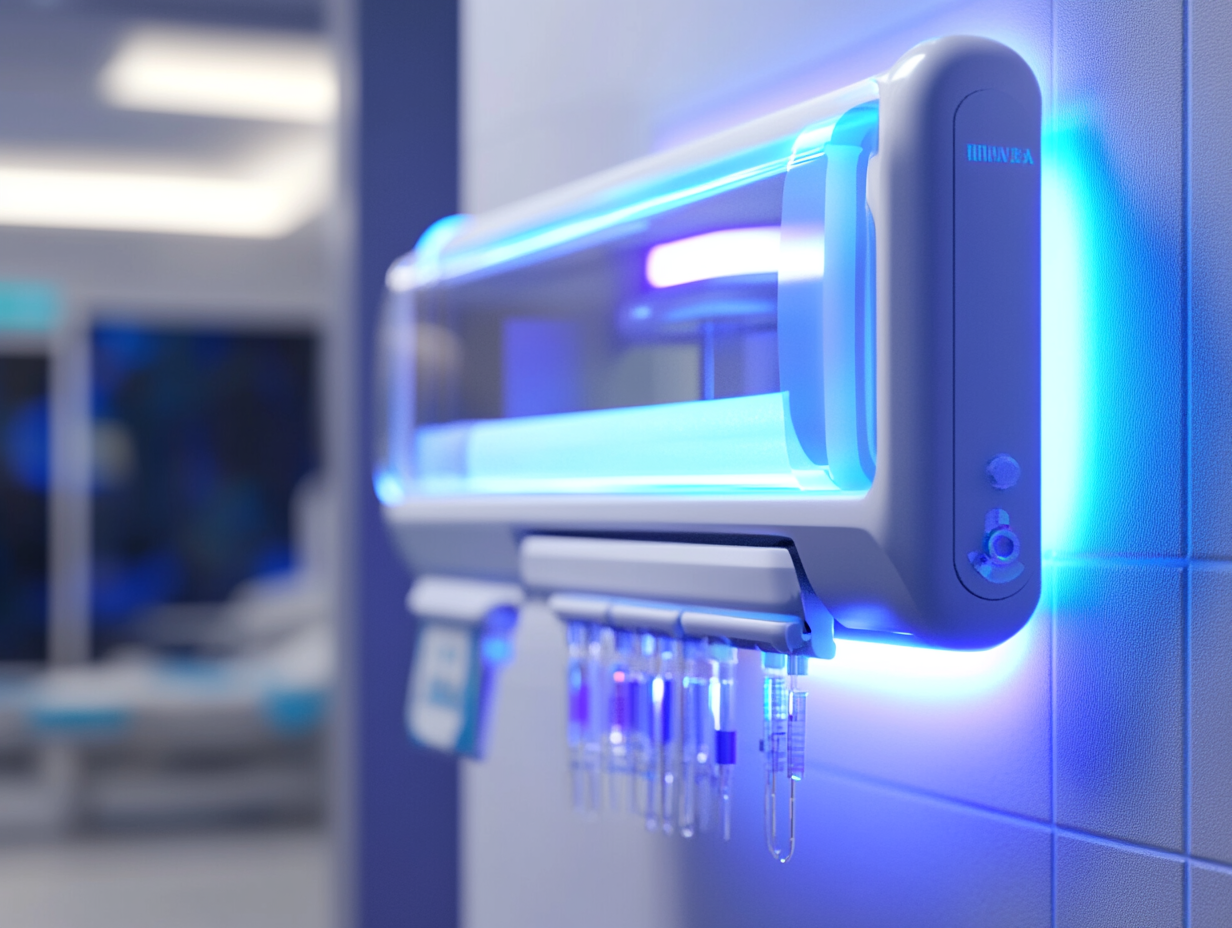
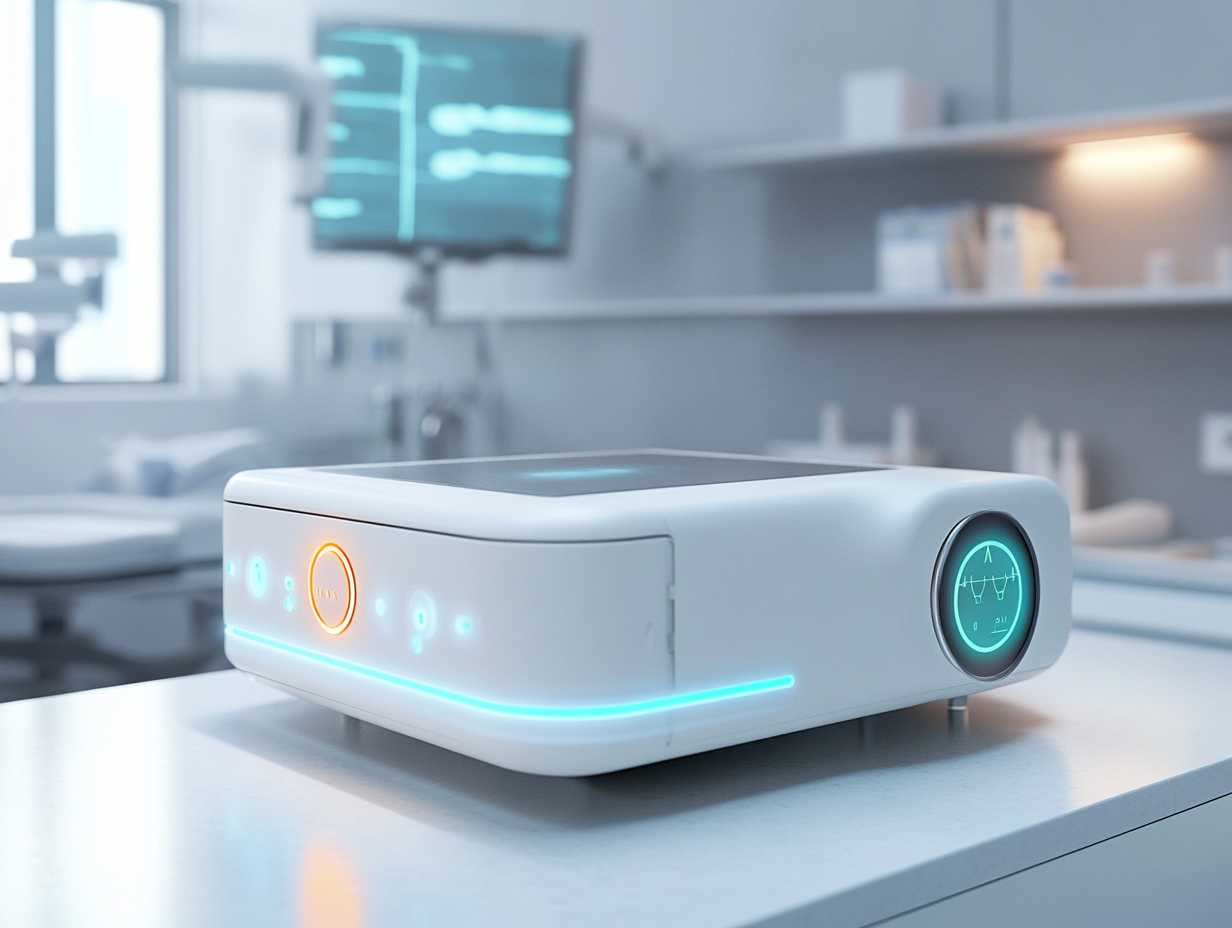
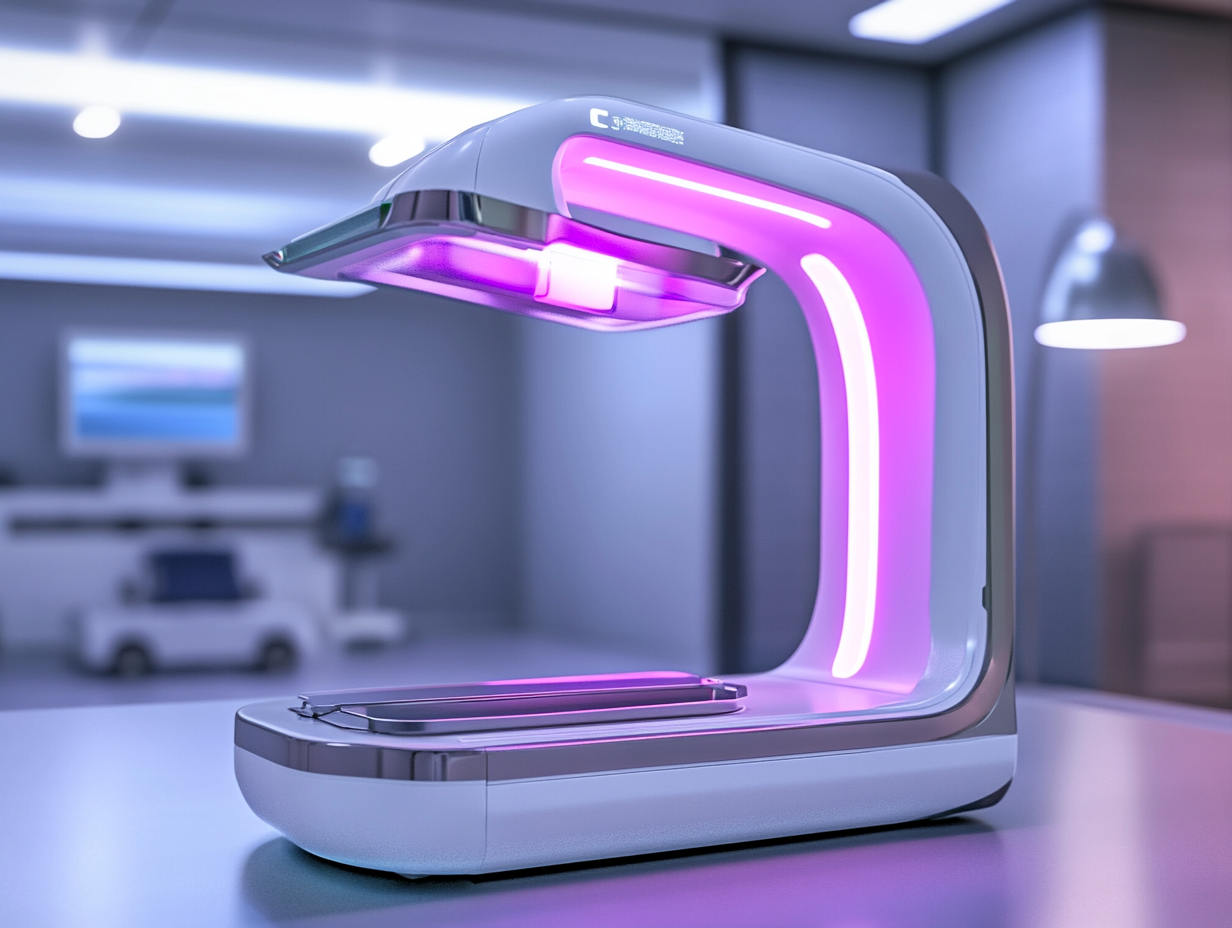
Through blue sky ideation, we envisioned a compact, smart medical device that uses motion detection and automated dispensing to apply a sterile, single-use barrier over diagnostic equipment (e.g., stethoscope diaphragm) within seconds and completely touch-free. The system integrates with hospital protocols, tracks usage data, and reinforces sterile practices without slowing clinicians down.


Solution & Outcome
The final concept is a compact, wall-mounted smart unit that automatically dispenses a sterile, single-use barrier onto diagnostic tools as clinicians approach. Motion sensors trigger a seamless hands-free application, ensuring every use begins with a fresh sterile surface; no wipes, no manual steps, no room for oversight. The device logs usage frequency, integrates with hospital infection control systems, and provides visual feedback to encourage compliance. Designed with a clean medical aesthetic and a minimal footprint, it pairs effortlessly with existing exam rooms and workflows. This solution represents a meaningful advance in preventing cross-contamination, making sterile practice faster, more consistent, and significantly more dependable.