Creative Shrinkflation That Consumers Won’t Hate
Our goal was to rethink product sizing and packaging in a way that helps brands reduce costs without alienating customers. Using AI-assisted research and consumer insights, we explored how intentional design, clever portioning, and visual cues could maintain perceived value while addressing the economic pressures driving shrinkflation. The goal was to make smaller portions feel thoughtful, upgraded, and aligned with lifestyle trends rather than a reduction in quality.
The Challenge
How might we lower the cost of snack products, through smart format, packaging, and visual strategies, without reducing perceived value or triggering consumer frustration?
The Insight
In snacking (especially chips, granola bars, and cookies), consumers notice shrinkage immediately, whether it’s fewer chips in a bag or one less bar in the box. However, they’re open to new formats, healthier portioning, or upgraded experiences if it feels intentional and aligned with a lifestyle message.
The Problem
Brands are under intense pressure to reduce costs from tariffs, ingredients, and freight. But reducing unit count can get called out by social media, hurt trust, and lead to retailer penalties unless specs stay within a 10% range.
Concept Development
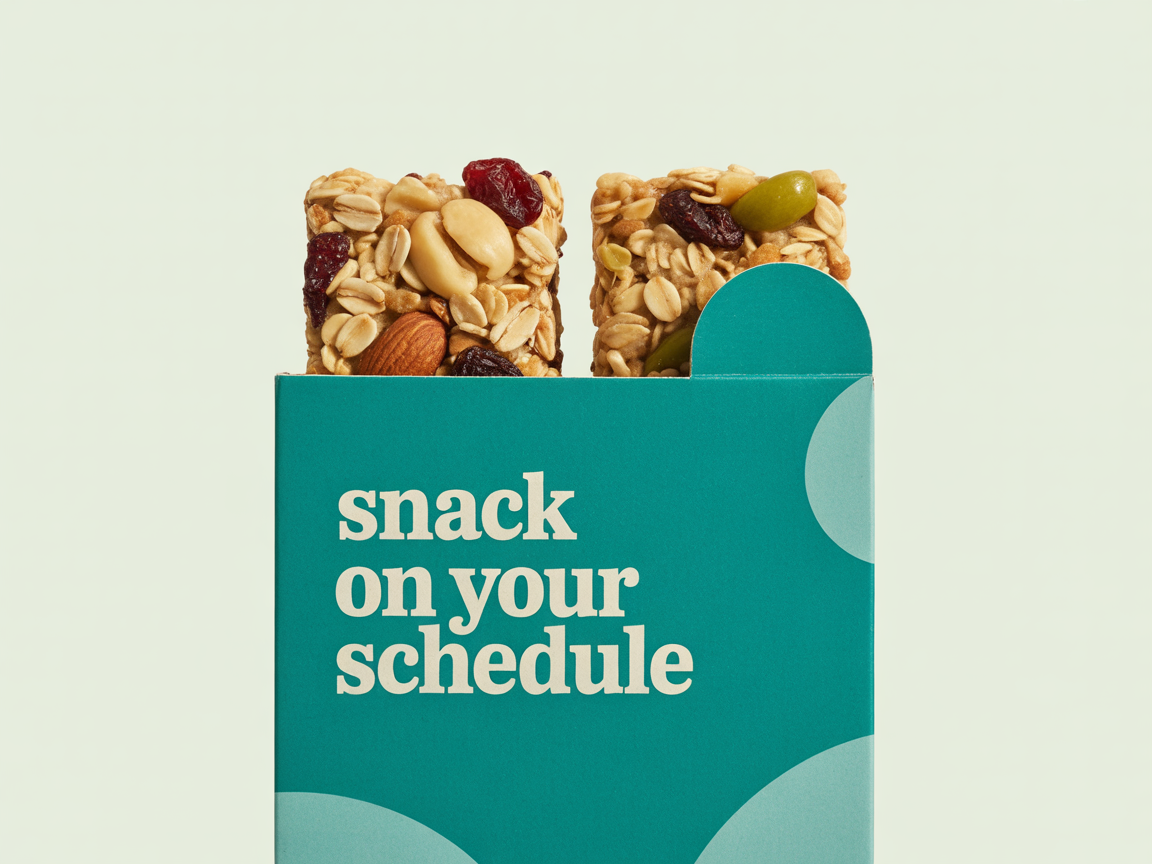
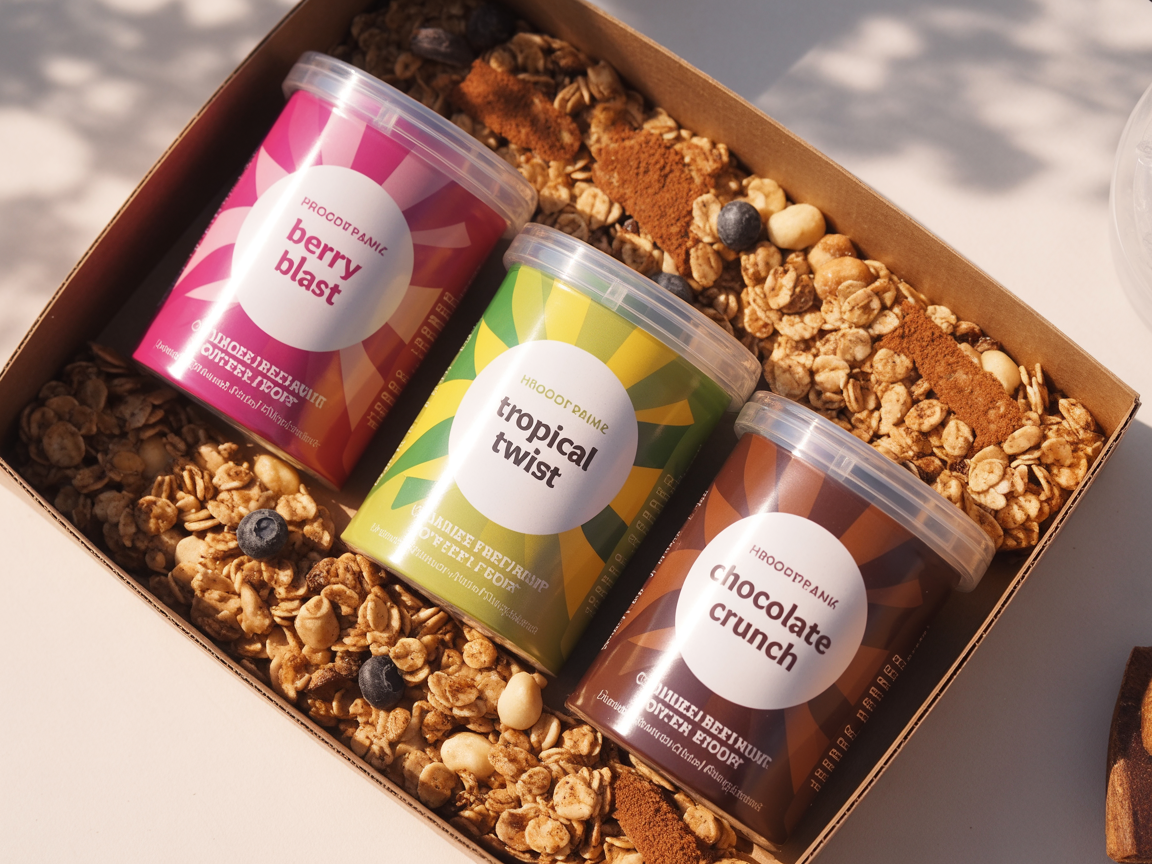
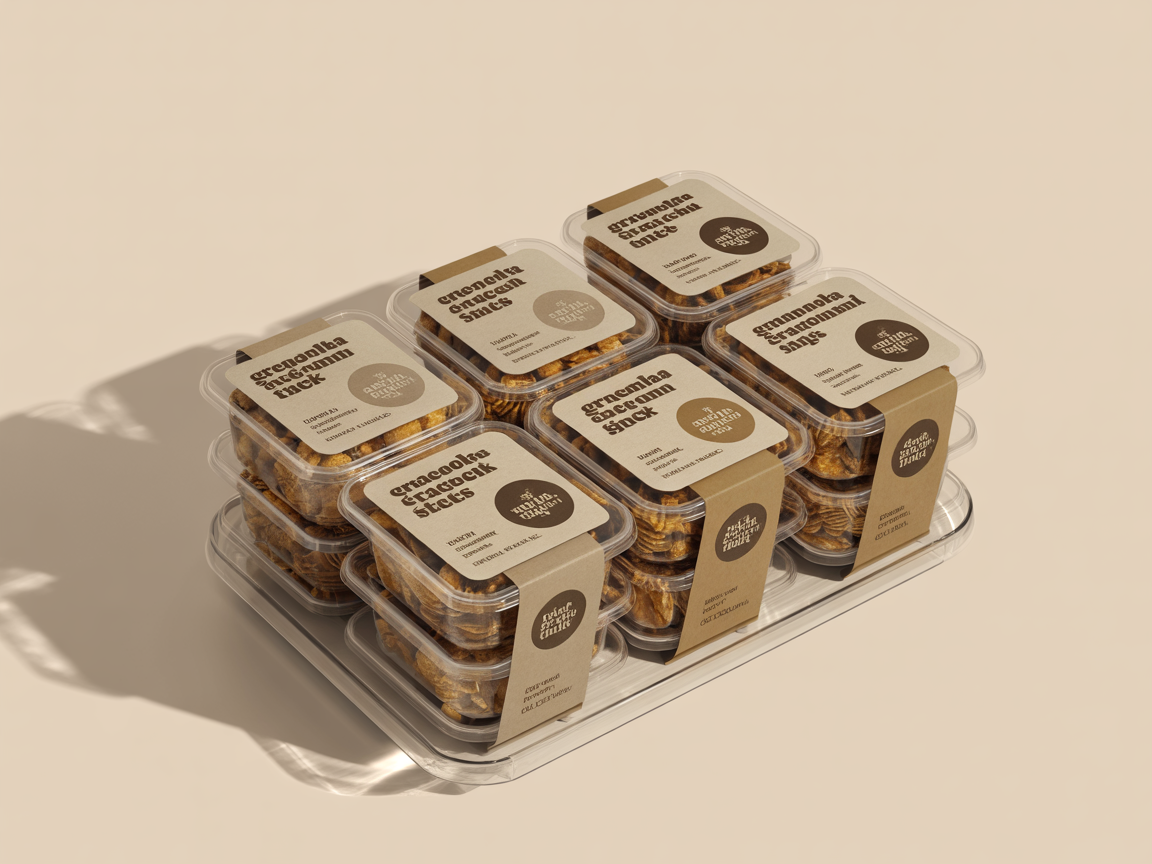
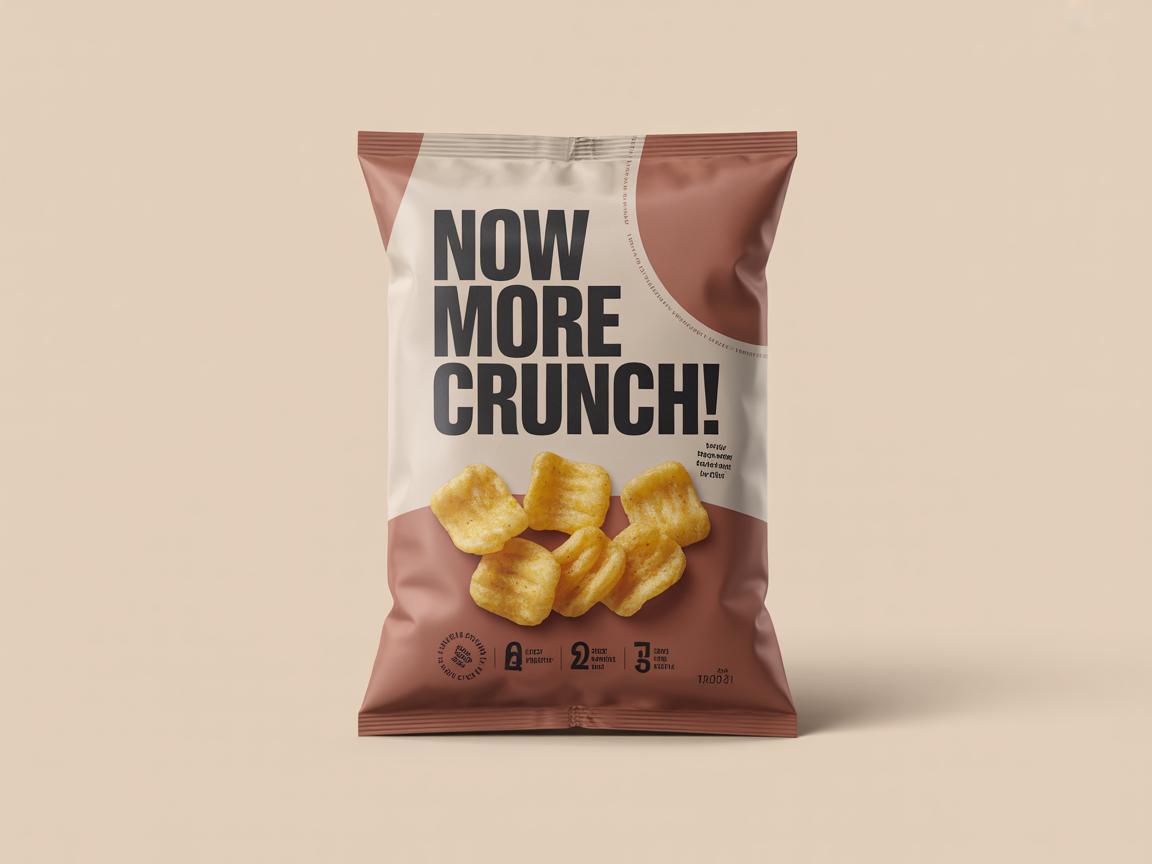
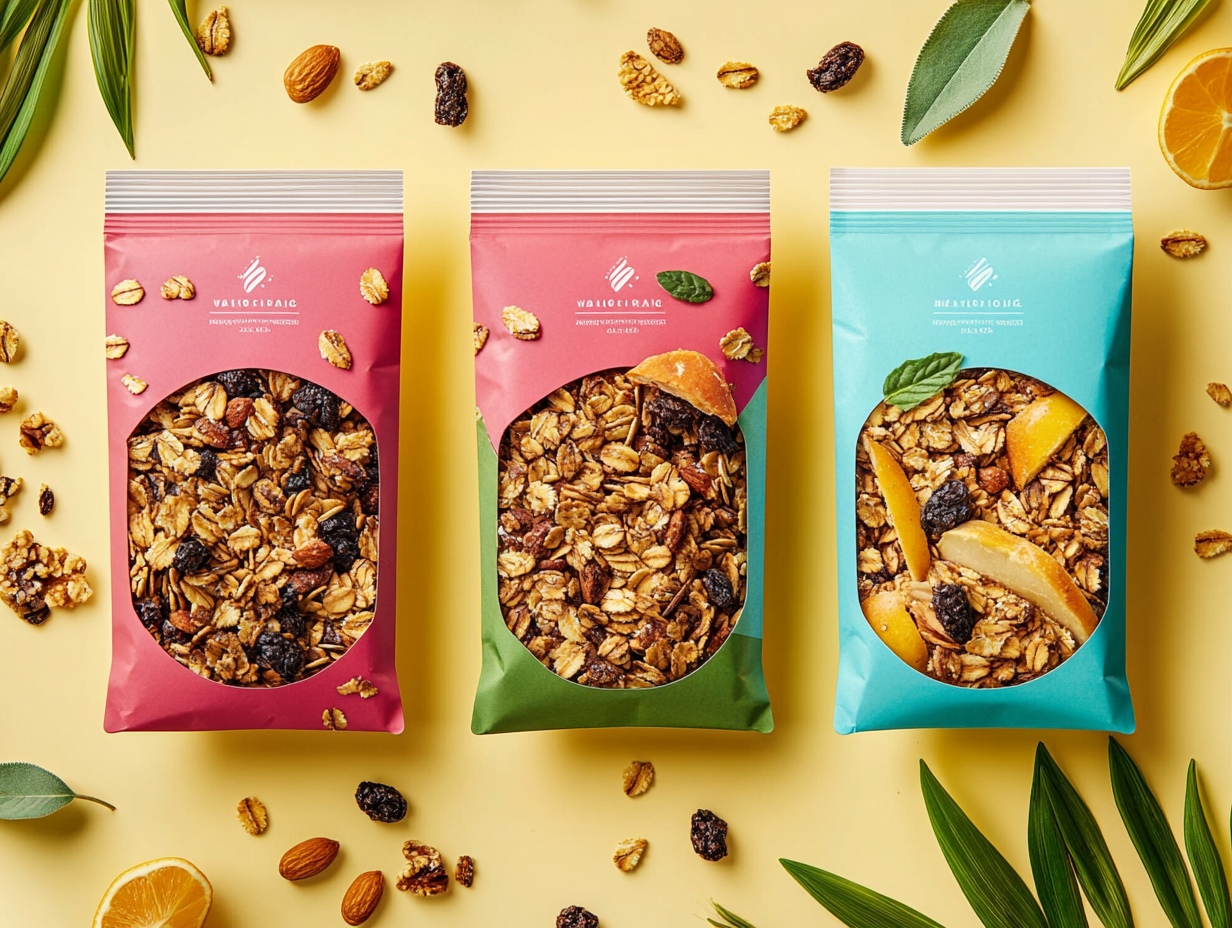
Our sprint involved rapid ideation, packaging mock-ups, and AI-generated visual concepts to explore how products could be resized, reformatted, or repackaged without triggering consumer frustration. We tested multi-pack formats, redesigned portion shapes, and introduced premium visual cues that signal value through enhanced aesthetics, storytelling, and sustainable packaging. Each concept was evaluated for perceived value, shelf impact, manufacturability, and cost reduction, ensuring solutions were both operationally feasible and consumer-friendly.


Solution & Outcome
The final approach uses modular portioning, visually enhanced packaging, and playful product formats to make size reductions feel intentional and beneficial. Chips, bars, and snacks are portioned for convenience, freshness, and snacking occasions, while labeling and design communicate premium quality and thoughtful design. Social media feedback simulations showed that consumers responded positively to the transparency, lifestyle alignment, and added usability. This strategy allows brands to reduce costs effectively while maintaining trust, satisfaction, and perceived product value.